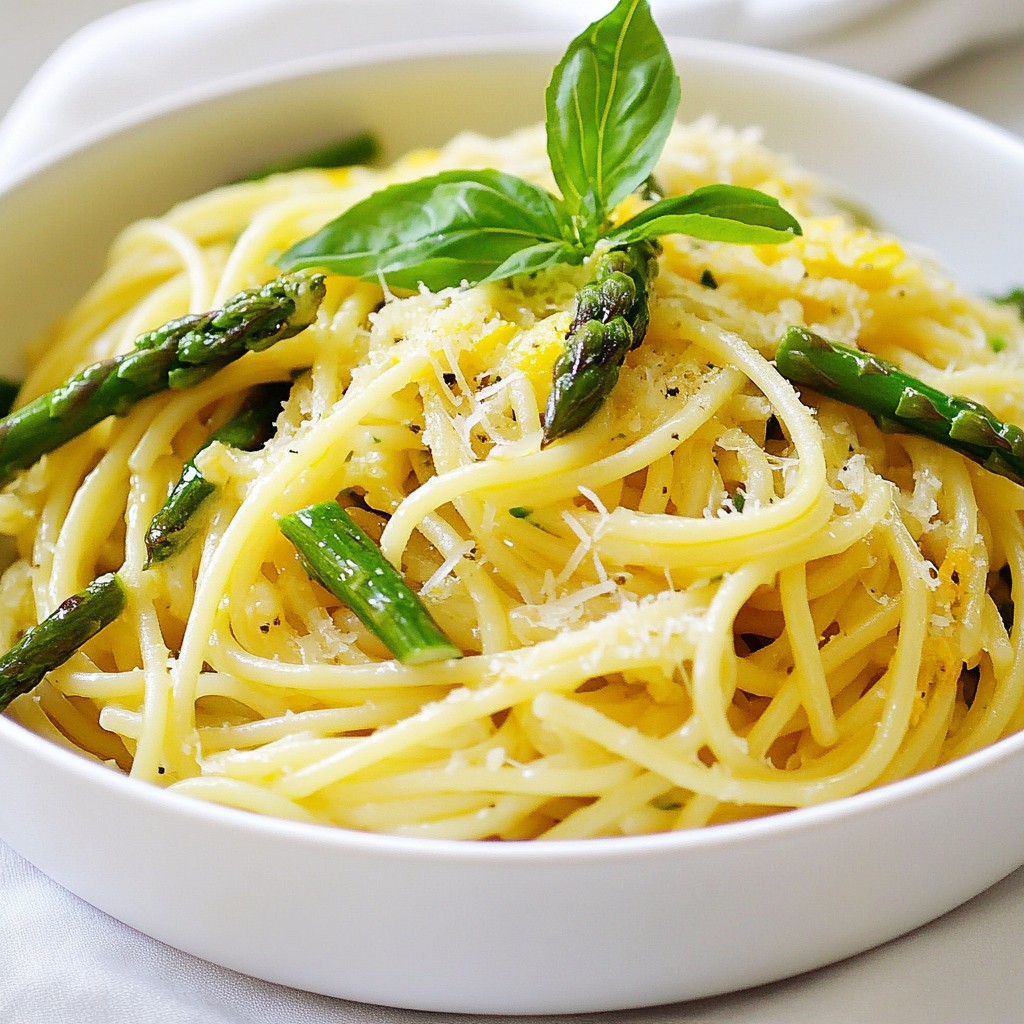
Are you craving a quick and tasty meal? Look no further than my Lemon Garlic Asparagus Pasta! This easy recipe packs a punch of flavor with fresh asparagus, garlic, and zesty lemon. In just a few simple steps, you can whip up a dish that is both satisfying and bright. Perfect for busy weeknights or a special dinner, let’s get started on this delicious adventure!
Why I Love This Recipe
- Quick and Easy: This dish comes together in just 25 minutes, making it perfect for weeknight dinners.
- Fresh Ingredients: The combination of lemon, garlic, and asparagus brings a vibrant, fresh flavor to the pasta.
- Customizable: You can easily adjust the recipe by adding protein or switching up the pasta to your liking.
- Healthy and Light: This recipe is packed with vegetables and healthy fats, making it a nutritious choice.
Ingredients
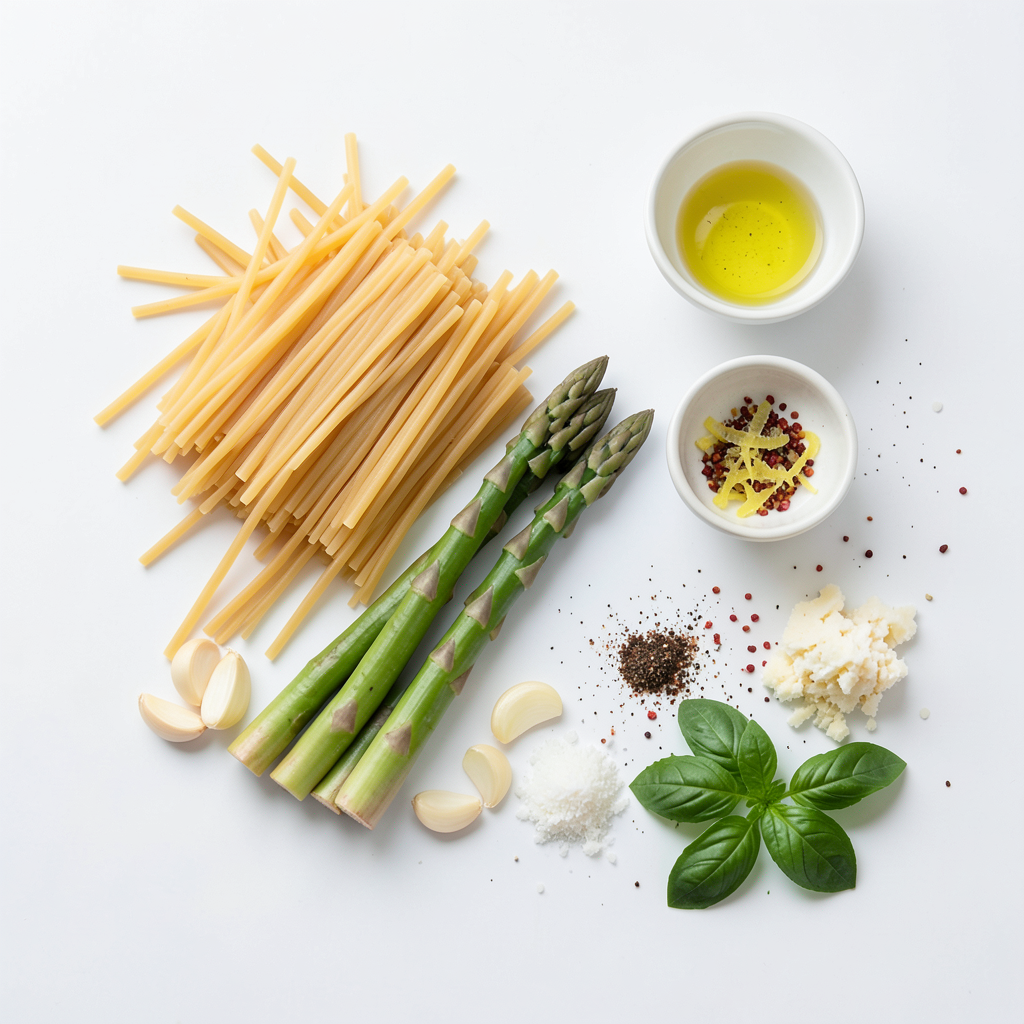
List of Ingredients
- 8 oz spaghetti or fettuccine: Choose either. Both work well, but spaghetti offers a classic touch.
- 1 bunch fresh asparagus: Trim and cut into 2-inch pieces. Look for bright green stalks for the best taste.
- 4 cloves garlic: Thinly slice the garlic. Fresh garlic adds a bold flavor to the dish.
- 3 tablespoons olive oil: Use high-quality olive oil for a rich taste. It helps sauté the asparagus and garlic perfectly.
- Zest and juice of 1 lemon: The lemon brings brightness. Fresh lemon juice is key for the best flavor.
- 1/2 teaspoon red pepper flakes (optional): This adds heat. Adjust to your spice level.
- Salt and pepper to taste: Season well to enhance all flavors in the dish.
- 1/4 cup grated Parmesan cheese: This cheese adds creaminess. For a vegan option, use nutritional yeast.
- Fresh basil leaves: Tear these for garnish. They add a fresh pop and great color to the plate.
These ingredients come together to create a light, flavorful meal. The lemon and garlic will shine through, making every bite delicious.
Step-by-Step Instructions
Cooking the Pasta
First, fill a large pot with water. Add a good amount of salt. Bring it to a boil. Once boiling, add 8 oz of spaghetti or fettuccine. Cook it until it's al dente. This takes about 8–10 minutes, depending on the pasta. Al dente means it should be firm but not hard. After cooking, reserve 1 cup of pasta water. Then, drain the pasta and set it aside. This water helps with the sauce later.
Sautéing the Asparagus
Next, heat a large skillet over medium heat. Add 2 tablespoons of olive oil. When the oil is hot, add the asparagus pieces. Sauté them for about 3–4 minutes. You want them bright green and just tender. They should still have a little crunch. Once done, remove the asparagus from the skillet and set it aside.
Cooking the Garlic
Now, it’s time for the garlic. In the same skillet, add the last tablespoon of olive oil. Add the sliced garlic and red pepper flakes if you want some heat. Sauté for 1–2 minutes. Watch closely to avoid burning. You want the garlic fragrant and just starting to turn golden.
Combining Ingredients
Return the asparagus to the skillet. Add the cooked pasta next. Pour in the lemon juice and zest. Mix everything together well. If it looks dry, add some reserved pasta water. Do this gradually until it reaches the right consistency.
Final Seasoning and Cheese Addition
Now, it’s time to season. Stir in salt and pepper to taste. Make sure everything is well mixed and heated through. Finally, remove from heat. Sprinkle the grated Parmesan cheese over the top. If you want a vegan option, use nutritional yeast instead. Toss lightly to combine.
Serving Suggestions
To serve, plate the pasta. Garnish with fresh basil leaves. This adds a nice pop of color and flavor. Enjoy your Lemon Garlic Asparagus Pasta warm!
Tips & Tricks
Perfecting Timing
To make this dish shine, timing is key. First, cook the pasta just until it is al dente. This means it should have a little bite without being mushy. Start checking it a minute or two before the package suggests. When your pasta is ready, don't forget to save a cup of that starchy pasta water. It helps to make the sauce creamy later.
Next, cook the asparagus. Sauté it for about 3 to 4 minutes. You want it to be bright green and tender but still crisp. Overcooking the asparagus makes it lose its fresh taste and crunch. It's all about finding that sweet spot.
Enhancing Flavors
To boost the flavor profile, consider adding fresh herbs like thyme or parsley. They add a nice touch without overpowering the dish. If you enjoy a kick, sprinkle in more red pepper flakes. You can also add a pinch of smoked paprika for a warm, smoky flavor. Lemon zest brings brightness, while a touch of salt and pepper ties everything together.
Cooking Equipment
Using the right pans can make your cooking easier. A large skillet works best for sautéing both the asparagus and garlic. It allows for even cooking and prevents overcrowding. A pot with a wide base is ideal for boiling pasta, as it helps cook evenly. If you have a slotted spoon, it can help you easily transfer the pasta later. These simple tools can elevate your cooking experience.
Pro Tips
- Fresh Asparagus is Key: For the best flavor and texture, use fresh asparagus. Look for bright green stalks with firm tips.
- Don't Overcook the Pasta: Cook the pasta just until al dente, as it will continue to cook slightly when combined with the sauce.
- Reserve Pasta Water: Always reserve some pasta water before draining. This starchy water can help adjust the sauce's consistency.
- Customize the Heat: Adjust the amount of red pepper flakes based on your heat preference. You can also add fresh chili for extra spice.
Variations
Vegetarian and Vegan Options
For a vegetarian or vegan twist, you can swap the cheese with nutritional yeast. This option adds a cheesy flavor without using dairy. Nutritional yeast is also rich in vitamins. You can find it in health food stores or online.
You might also want to add more veggies. Consider adding cherry tomatoes or spinach. These options will make your dish colorful and tasty. You can toss them in when you sauté the asparagus.
Protein Boost Ideas
If you want to add protein, chicken or shrimp are great choices. Cook the chicken or shrimp in the skillet before adding the asparagus. This method will infuse the pasta with extra flavor. Make sure the protein is cooked through before mixing it with the pasta.
Gluten-Free Alternatives
For a gluten-free option, choose pasta made from rice or chickpeas. These types taste great and maintain a nice texture. Popular brands include brown rice spaghetti or chickpea fettuccine. Always check the package for cooking instructions, as they may differ from regular pasta.
Storage Info
Storing Leftovers
To keep your Lemon Garlic Asparagus Pasta fresh, store it in an airtight container. This helps keep moisture in and prevents drying out. You can keep it in the fridge for up to three days. If you have a lot of leftovers, consider dividing them into smaller portions. This makes it easy to grab a quick meal later.
Reheating Tips
When you're ready to eat your leftovers, it's key to reheat them gently. The best way is to use a skillet on medium-low heat. Add a splash of water or a drizzle of olive oil to keep things moist. Stir often to ensure even heating. You can also use the microwave, but cover the dish to trap steam. This helps maintain the pasta's texture and flavor.
Freezing Instructions
If you want to save some pasta for later, freezing is a great option. First, let the pasta cool completely. Then, place it in a freezer-safe container or a zip-top bag. Make sure to remove as much air as possible to prevent freezer burn. You can freeze it for up to three months. To reheat, thaw it in the fridge overnight, then use the skillet method to warm it up.
FAQs
What pasta works best for Lemon Garlic Asparagus Pasta?
For Lemon Garlic Asparagus Pasta, both spaghetti and fettuccine work well. Spaghetti gives a nice twirl and pairs well with the sauce. Fettuccine, being wider, holds more sauce and adds a richer texture. If you like a lighter feel, choose spaghetti. If you prefer a heartier bite, go for fettuccine. You can’t go wrong with either choice.
Can I make this dish ahead of time?
Yes, you can make this dish ahead of time. Cook the pasta and asparagus, then mix them with the garlic and lemon. Store it in the fridge for up to three days. When ready to eat, reheat it in a skillet. Add a splash of pasta water to keep it moist. This way, you save time on busy days.
How do I make this dish spicier?
To make this dish spicier, add more red pepper flakes. Start with a pinch and test the heat. You can also add fresh chili peppers for a bolder kick. If you love heat, try a dash of hot sauce before serving. Adjust the spice level to suit your taste!
In this post, we covered how to make a tasty Lemon Garlic Asparagus Pasta. We discussed the right ingredients, including pasta, asparagus, and cheeses. I shared step-by-step instructions on cooking methods and timing. You learned about tips for enhancing flavors and options for different diets.
As you try this dish, remember to keep an eye on cooking times. Enjoy making it your own with variations. Happy cooking!